A New Dawn or a Dark Age? A Reckoning with Power, Greed, and the Loss of Our Collective Soul
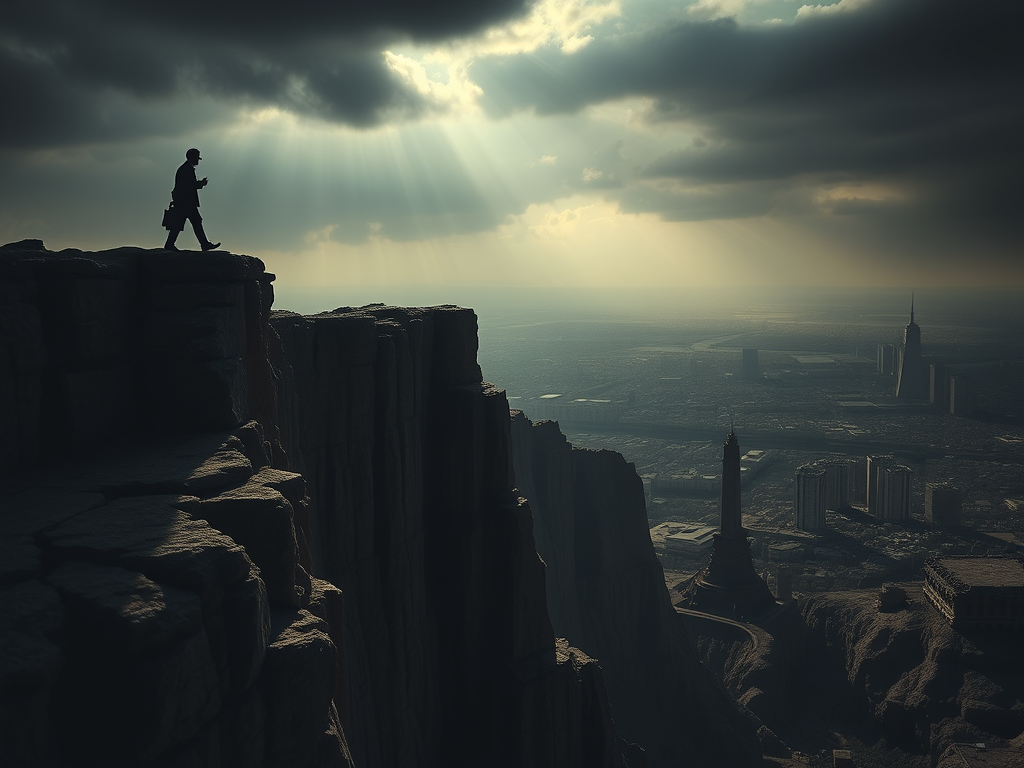
We stand on the edge of a crumbling cliff, watching the wealthiest among us align with power, building their fortresses as the foundations beneath us weaken. This is not a moment of progress, but one of unraveling—a tide reshaping the current of our lives, dragging us into uncharted waters where the promises of stability and growth dissolve.
There are moments when this shifting tide manifests physically. I feel it in the sharp constriction of my chest, the breath that never quite expands enough. It comes like a premonition, a familiar weight I’ve known before—as a physician standing in the chaos of an ER, waiting for the storm of trauma to arrive. That same unease grips me now as I witness the waves of disruption—waves set in motion by a leadership that fans the flames of division. The systems we rely on tremble under the weight of this recklessness. Will it result in an implosion of trust? An explosion of conflict? Or both?
The markets—their endless swirl of numbers and nerves—teeter on his unbridled support of capitalism, a system now unleashed with reckless abandon. There is a potential for an explosion, a surge of short-term gains that rewards the bold and the greedy. Yet beneath the glittering surface, the dark side of this unchecked capitalism festers. Climate damage accelerates, social structures buckle under the strain, and we find ourselves venturing into uncharted territories of destruction—a convergence of AI reshaping labor, technology deepening societal divides, and climate chaos rendering life itself more precarious. As automation and algorithms redefine human relevance, social disorder intensifies, and the natural world grows increasingly hostile, we teeter on the edge of a profound reckoning. The economy hums along, buoyed by greed and the illusion of endless growth. Yet beneath this surface, the cracks widen. AI reshapes industries, automating labor and alienating the workforce. Climate disasters intensify, dismantling the delicate equilibrium of life. The strain builds, and we edge closer to the inflection point. When the plateau is reached, the descent—steep and unavoidable—will follow.
There will come a moment, an “oh no” moment, when the illusion shatters for the sane among us. When we realize, too late, that we have fouled our own nest. Call it greed, call it hedonism—whatever the name, it is always fleeting. Negative feedback is inevitable, and when it arrives, it is merciless. The Earth, the economy, the social fabric—all stretched to their limits, all demanding repayment for the debts we have long ignored.
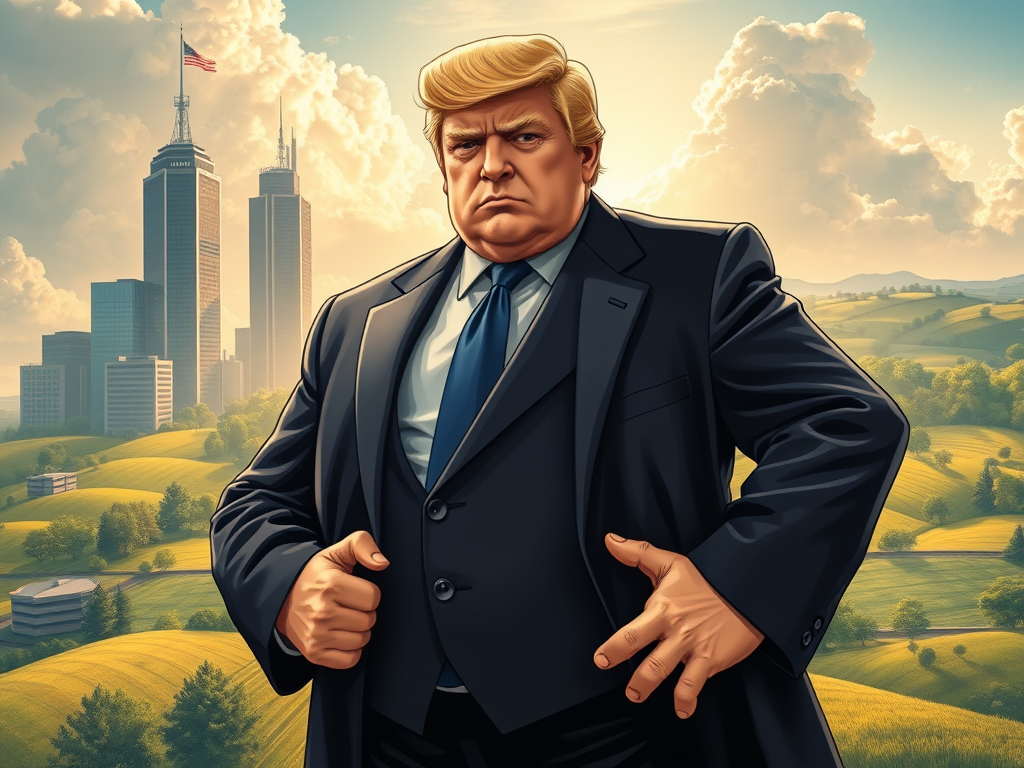
Our lives are shifting, not with the gentle rhythm of nature’s cycles, but with the cataclysmic force of a tectonic rupture. The systems we trusted to hold firm splinter, exposing vulnerabilities once hidden. This rupture leaves us off balance, grasping for stability in a world that feels increasingly fragile. The systems that once demanded respect—our laws, our institutions, our shared norms—are now tools in the hands of those who wield disdain as both weapon and shield. Trump, more symptom than cause, stands as a stark reminder of what we’ve allowed to fester: a collective disregard for the very foundations that uphold us.
I cannot shake a gnawing trepidation. Yes, the next few years will reshape this country. Many believe this change will be for the better, but I am among the doubters, the skeptics who see the fraying edges of a tapestry once rich with collective purpose. What he represents—what his believers embrace—is a creed of the individual. More for me. More for my family. More power. It is a doctrine of selfishness, cloaked in the language of opportunity.
And at its core lies the hollow promise of trickle-down economics, a fairy tale told by the wealthy to the hopeful. It whispers that the crumbs will find their way down, but the truth—cold, hard, unrelenting—is that wealth climbs, pools, and calcifies at the top. Those fighting hardest to defend this system will be the first to feel its betrayal, left bewildered as they watch the benefits bypass them entirely. They will fight for a table at a feast that was never meant for them.
This isn’t governance; it is a new imperialism—self-imposed, insidious, and inexorable. Power, once distributed through the fabric of democracy, is now siphoned away, coalescing into the hands of a few. The people, the very ones who built and sustained this nation, are reduced to instruments—picked up when convenient, discarded when their use expires.
Meanwhile, technology accelerates, and with it, the disruption of labor, of relevance, of identity itself. Automation replaces hands, algorithms replace minds, and in the process, many are left grappling with a disconcerting question: Who are we when our roles—our work, our contributions, our sense of purpose—are no longer needed? The digital age promises convenience but often delivers alienation, leaving individuals to navigate a world where connection is increasingly mediated by screens and algorithms rather than human touch. As automation hums along and innovation redefines necessity, the gap between the powerful and the powerless widens. In this chasm grows desperation, anger, and confusion. What was once the promise of progress now feels like a specter of exclusion.
And for what? For power. Not for nurture, not for stewardship, not for the quiet beauty of interconnectedness. Not for love, or gratitude, or the collective flourishing of humanity. Power, it seems, has become its own justification. Consider the actions of corporate giants lobbying to preserve tax loopholes while simultaneously cutting jobs. Or the subterfuge of oil companies, who, despite knowing the catastrophic effects of their actions on the climate, continue to sow doubt and delay meaningful change to protect their profits. Or the politicians who wield gerrymandering as a scalpel, carving up democracy to secure their seats rather than serve their constituents. These examples underscore a simple truth: power is no longer a means to an end but the end itself, pursued at any cost. A hollow prize pursued at the expense of the Earth, its people, and the fragile threads that bind us together.
This is not a time for idleness or resignation. It is a moment that demands action—to reclaim the narrative of our shared future, to step forward with intention and courage, and to rebuild the values that unite rather than divide us. Our participation is not optional; it is essential. We are participants, whether by choice or by silence. The transformation we face is not just political; it is moral. It demands that we confront the hollowing of our values and resist the currents that seek to sweep us toward division and domination.
What does resistance look like? Perhaps it begins with a refusal to forget that we are more than individuals. That the dream of democracy—however flawed—was built on the idea of a collective good. We must hold fast to the truth that every action, no matter how small, ripples outward. To nurture the Earth, to cherish community, to see beyond the self—these are acts of preservation, quiet yet profound acts that stand against the tide of greed and division, reaffirming the fragile beauty of interconnectedness.
This is our reckoning. Will we accept the slow erosion of compassion, or will we choose to protect what remains? Will we let the future be dictated by those who crave control, or will we reclaim the pen to write a new story?
Perhaps the answer lies not in grandeur but in quiet acts of care—a whisper of hope in a cacophony of greed. To live gently, to resist the pull of selfishness, to honor the interconnected web that sustains us all—this is the quiet revolution. And maybe, just maybe, it is enough to tip the scales.